Acquisition
Acquisition Bridge
Fast-close acquisition capital when the buyer needs certainty of execution before lease-up, stabilization, or permanent financing is in place.
Bridge Loans
Piccard Financial arranges bridge financing for sponsors, investors, and developers navigating acquisition, lease-up, repositioning, value-add execution, maturity payoff, and the transitional period before permanent capital is in place.
Capital Strategy
Bridge financing is best evaluated against the exit. The same asset can support several different bridge structures depending on whether the takeout is sale, agency, bank perm, life company, or refinance into longer-term debt.
Bridge Coverage
Transitional capital from acquisition through stabilization and takeout.
Pricing
SOFR + Spread
Leverage
Up to 75% LTV
Term
12, 24 or 36 Mo.
Loan Size
$5MM–$150MM
Overview
Bridge loans are short-term, asset-focused financing used when a property is in transition — being acquired, leased up, repositioned, repaired, recapitalized, or moved toward a more permanent capital structure. The right bridge is structured around what needs to happen between today and the takeout.
Bridge financing is not one program. The lender audience and structure depend on whether the asset is stabilized or transitional, whether the business plan is light-touch or heavy lift, whether recourse is acceptable, and whether the takeout is institutional or value-add.
Piccard Financial positions each bridge request around the asset, business plan, sponsor profile, basis, and intended takeout, then matches the opportunity to the correct lender audience — bank bridge programs, debt funds, private credit, and specialty bridge lenders capable of executing.
Common Use Cases
The right bridge is the one that matches the business plan, the timeline, and the planned takeout — not simply the loan with the lowest rate or the highest leverage.
Acquisition
Fast-close acquisition capital when the buyer needs certainty of execution before lease-up, stabilization, or permanent financing is in place.
Lease-Up
Capital for assets acquired or completed in lease-up, sized around the path to stabilization and an agency, bank, or life company permanent takeout.
Value-Add
Bridge financing structured around a defined capex program, lease roll, or business plan that creates value before permanent debt is appropriate.
Maturity
Bridge capital to retire a maturing loan and create time for sale, refinance, or stabilization under improved market or asset conditions. See the maturity refinance playbook.
Recapitalization
Cash-out bridges and recapitalization structures that return equity, restructure ownership, or fund the next phase of the business plan.
Construction
Capital placed at certificate of occupancy to allow lease-up and stabilization, replacing the construction loan and setting up permanent debt.
Execution Process
Every bridge financing assignment is positioned around the asset, the business plan, the timeline, and the planned exit — not simply the loan amount.
We review the asset, basis, current income, occupancy, business plan, timeline, sponsor profile, and the proceeds level needed to execute through the transitional period.
We work backward from the planned exit — sale, agency, bank perm, life co, or longer-term hold — to define the bridge structure that fits and reduces refinance risk.
We evaluate LTV, LTC, reserves, capex, leasing costs, fees, and the proceeds the market can support against the business plan and as-stabilized value.
We match the request to bank bridge programs, debt funds, private credit, and specialty bridge lenders based on speed, size, structure, and asset profile.
We compare pricing, points, recourse, prepayment flexibility, extension options, reserves, closing conditions, draw mechanics, and exit-fee structures.
We coordinate diligence, third-party reports, title, legal documentation, funding, and the initial fund-out, then remain available through the takeout.
Relevant Transaction
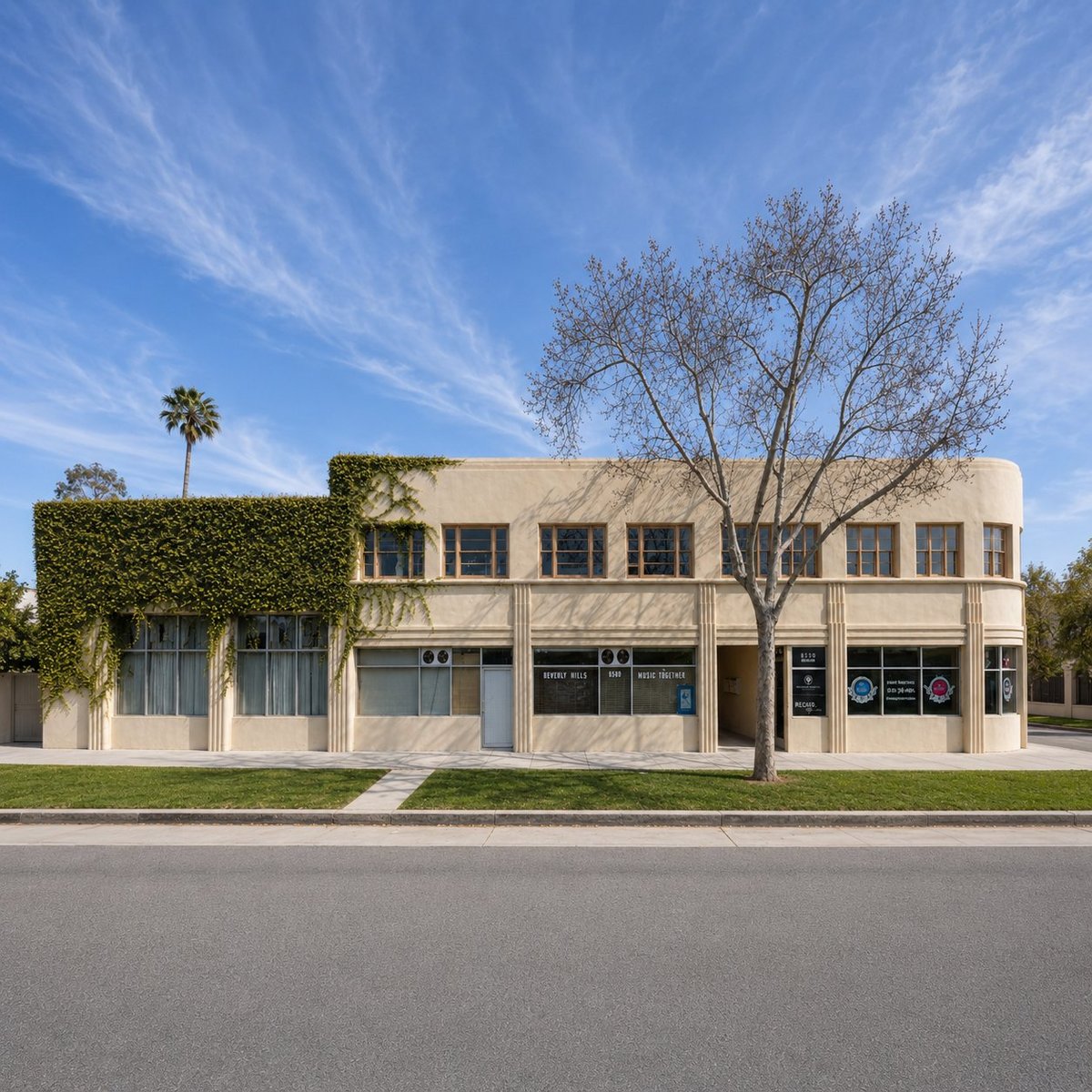
$2.25MM
Bridge financing arranged in two weeks for a Beverly Hills retail and office asset when a conventional bank could not meet the closing deadline — placed with a debt fund at 8.00% and structured around a planned exit into permanent financing.
Read the story →Common Questions
Direct answers on pricing, leverage, timing, and recourse — based on transactions we arrange, not generic market copy.
Commercial bridge loans currently price as floating-rate structures over SOFR, with all-in rates that vary by asset, leverage, sponsor, and business plan — recent transactions we have arranged have priced in the mid-8% range for well-located Southern California assets at 70% loan-to-value. Origination points, exit fees, and extension fees vary by program. Indicative ranges reflect recent lender quotes and change with the market.
Bridge lenders generally advance 65%–75% of value on stabilized assets and 70%–80% of cost on transitional and value-add business plans, with proceeds ultimately sized to the as-stabilized value and the planned exit. Piccard Financial arranges bridge financings generally between $1MM and $150MM.
A typical bridge closing runs 3–6 weeks. With a debt fund lending discretionary capital, a prepared sponsor, and parallel workstreams, genuinely expedited closings are possible — we recently closed a $7.5MM hospitality bridge loan in two weeks with no appraisal required.
Many bridge programs offer non-recourse structures with standard bad-boy carveouts. Partial recourse, completion guaranties, and guaranty burn-off structures are also available depending on the business plan, leverage, and sponsor profile — recourse is a negotiated term, not a fixed one.
A stabilized property with durable income and no deadline is usually better served by permanent financing — bridge pricing is a premium paid for speed, flexibility, or transition. If the business plan has no credible exit into a permanent loan, a sale, or agency debt, the bridge only postpones the problem. We tell sponsors when that is the case.
Submit a Bridge Deal
We will review the opportunity and respond with preliminary bridge capital direction, likely lender audience, leverage range, pricing expectations, structure, and next steps.
Submit a DealAdvisory led by Andrew Sawyer, Partner & Head of Capital Markets · CA DRE #02074085 · Piccard Financial Broker Lic. #02159069