Commercial bridge loans in 2026 price as floating-rate structures over SOFR or as fixed short-term coupons, with all-in rates running roughly from the high 7s into the low double digits depending on the lender type, the asset, the leverage, and the story. Here is how that range actually breaks down — anchored to transactions we have closed, not to advertised teaser rates.
Pricing by lender type
Bank bridge programs sit at the bottom of the range — typically SOFR plus a spread that lands all-in in the high 7s to mid 8s — but with the tightest boxes: stabilized or near-stabilized assets, strong sponsors, frequently recourse, often a deposit relationship, and a 45–60 day process. When a deal fits, this is the cheapest bridge money available. Most deals that genuinely need a bridge don't fit.
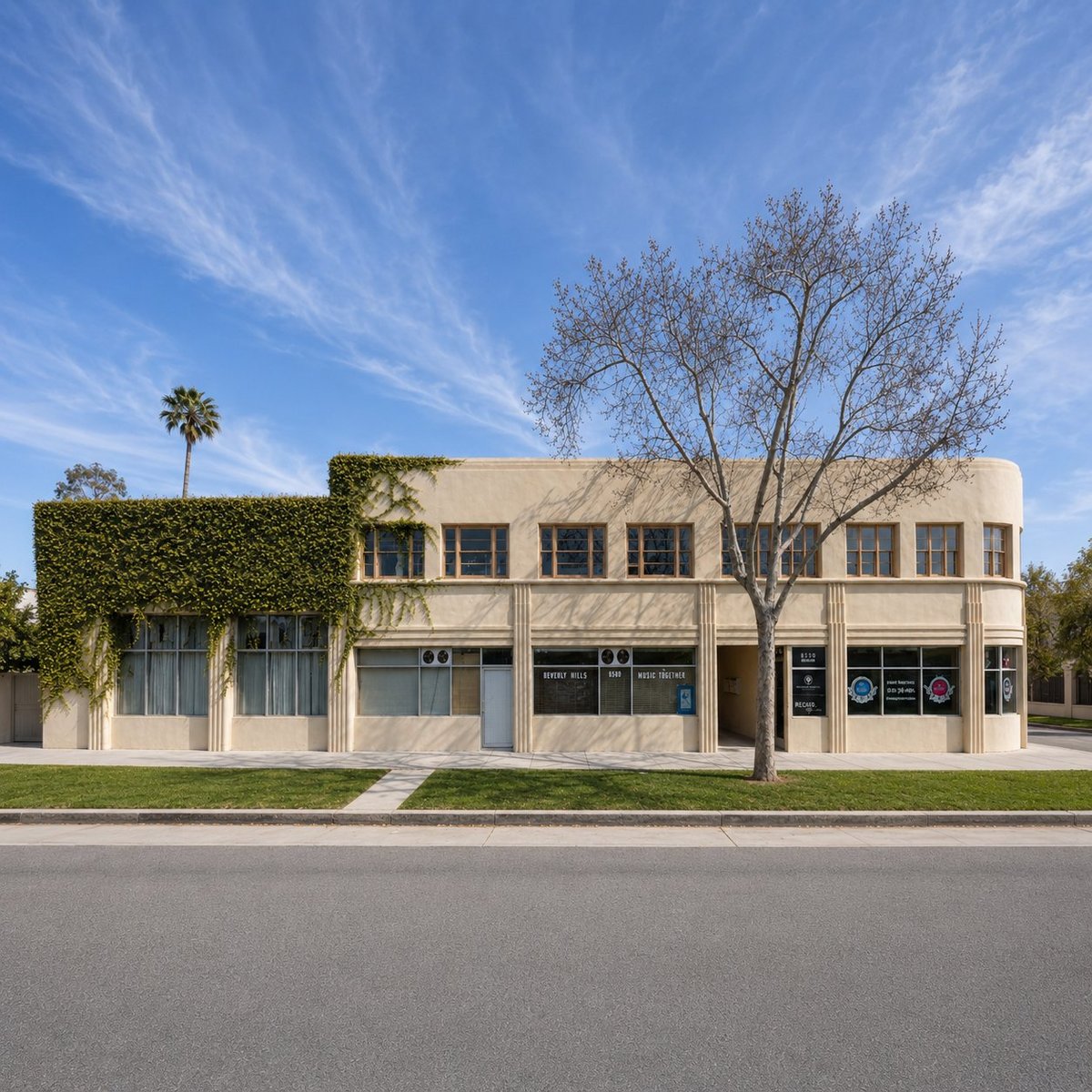
Debt funds and institutional private credit are the center of the market. Recent Southern California closings of ours priced at 8.00% to 8.50% at 65–70% loan-to-value on institutional-quality assets — a $2.25MM Beverly Hills retail/office bridge in March 2026 at 8.00% and a $7.5MM Venice hospitality loan in October 2025 that closed in two weeks with no appraisal at 8.50%. Mission-oriented funds and CDFIs have quoted us as low as 8.00% on qualifying deals. Expect one to two points of origination, non-recourse structures with standard carveouts, and closings measured in weeks, not months.
Private lenders price the top of the range — from the high 8s into the 10s and 11s — for the deals nobody else will hold: land, heavy-transition assets, thin documentation, or genuine urgency. A land portfolio we financed through a private lender carried an 11.00% coupon; that was the market for unentitled dirt with a story, and the loan did its job.
The coupon is the headline. Points, exit fees, reserves, and the extension terms are where the real cost of a bridge loan lives.
What moves your quote inside the range
- Leverage — every five points of loan-to-value above 65% costs spread; below 60%, pricing improves fast and the lender universe widens.
- Asset and market — well-located Los Angeles infill at 8.5% and tertiary-market hospitality at 10% can be the same day's quotes.
- The story — a documented business plan with a credible exit prices like a plan; a hope prices like a risk.
- Speed — a two-week close doesn't necessarily cost more coupon, but it costs optionality: fewer lenders can do it, so competition narrows.
- Recourse — accepting partial recourse or a completion guaranty can buy back 25–50 basis points with some lenders.
The real cost isn't the rate
Compare bridge quotes on total cost over your actual expected hold, not on coupon. One to two origination points on a twelve-month hold adds the equivalent of 100–200 basis points to the effective rate. Exit fees do the same at the back end. An interest reserve changes your cash-flow reality even though it's your own money. And the extension terms — the fee, the tests, the repricing — are the clause you'll care most about if the business plan runs long, which business plans do. Two term sheets with identical 8.5% coupons can differ by a full point in effective cost once the structure is priced honestly.
Finally, underwrite the exit before you borrow. A bridge loan is only as good as the takeout it's building toward — a refinance the stabilized numbers will actually support, a sale, or agency debt. The bridge deals that go wrong are almost never wrong about the bridge; they're wrong about what comes after it. For the spreads, leverage and debt yields behind 224 real quotes, see what lenders quoted in summer 2026.
For a live quote range on your specific deal — asset, leverage, story, timeline — send us the picture and we'll respond with realistic pricing and the lender categories genuinely competitive for it within two business days.
All rates and terms referenced are drawn from transactions arranged by Piccard Financial and recent lender quotes, reflect market conditions at the time, and change with the market. Nothing here is an offer or a commitment to lend.