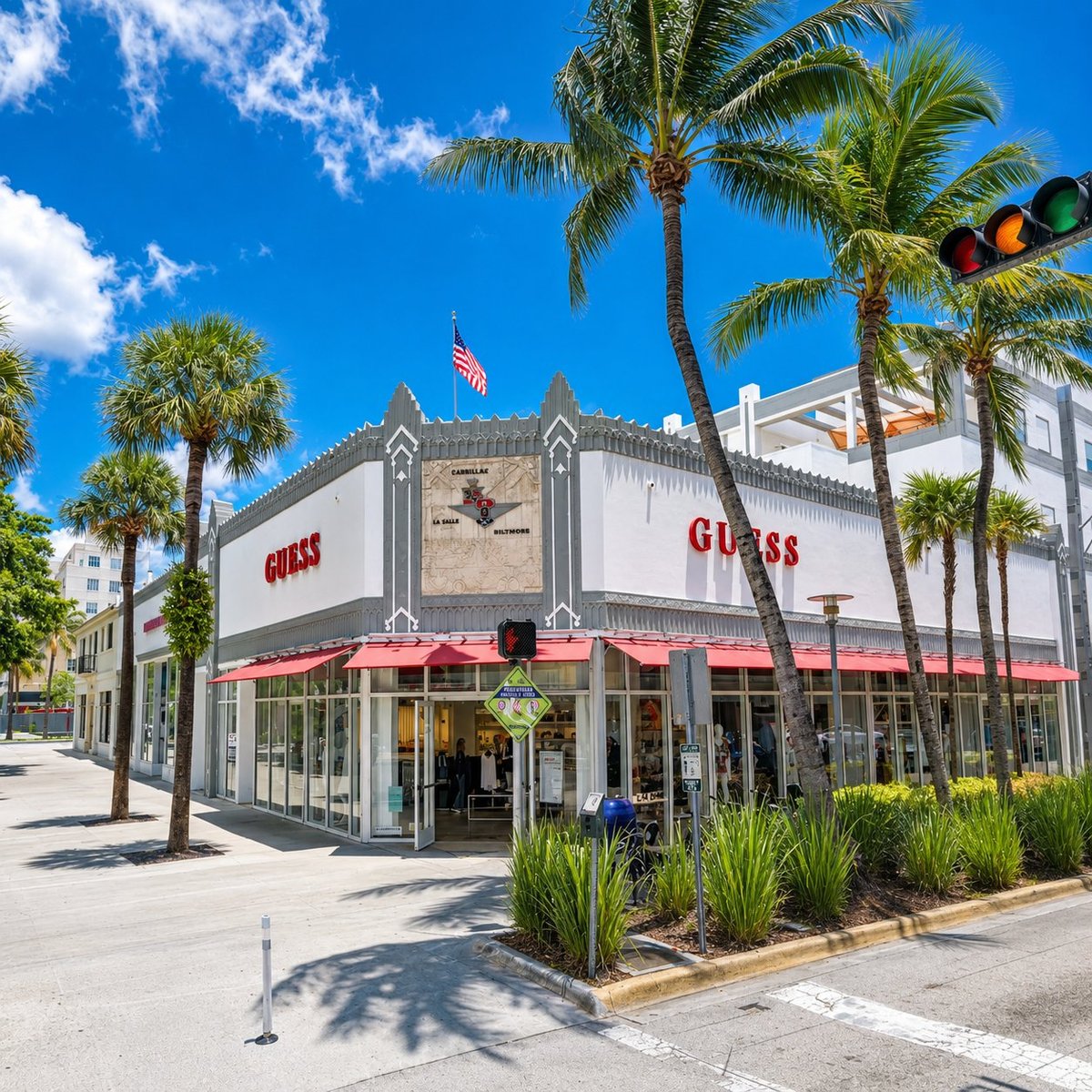
Retail spent a decade as the asset class lenders were supposed to be afraid of — and quietly became one of the most reliably financeable. Well-located strips and centers with granular tenancy survived e-commerce, survived 2020, and lenders noticed. The capital is there; the work is knowing which lenders read your rent roll as strength.
We finance the full retail spectrum: neighborhood and boulevard strip centers, grocery- and drug-anchored centers, single-tenant net lease, urban storefront and mixed-retail frontage, and unanchored multi-tenant properties. Each underwrites differently — a ten-tenant Ventura Boulevard strip is a granularity story, a single-tenant pharmacy is a credit-and-lease-term story — and the lender lists barely overlap.
Where the capital comes from — and what it's quoting
- Banks. Still the core of small-balance retail lending. A recent Southern California retail refinance we closed with a bank priced at 5.62% fixed (2025) at conventional leverage — proof that stabilized, well-tenanted retail gets genuinely competitive bank terms.
- Credit unions. One of the most underused sources for retail — balance-sheet discretion, relationship underwriting, and frequently no prepayment penalty. Our $22MM Lincoln Road refinance, including a $4.5MM cash-out on a ten-year fixed term, closed with a credit union when the securitized market turned hostile.
- CMBS. Maximum non-recourse proceeds on stabilized centers, including small-balance programs under $10MM — the right tool when the sponsor wants leverage and can live with servicing rigidity.
- Debt funds and bridge capital. For repositioning, lease-up, tenant turnover, and maturity defense: recent retail bridge closings of ours priced at 8.00%–8.50% at 65–70% of value, including a two-week Beverly Hills execution.
What lenders actually underwrite on retail
Three things decide retail proceeds. Rent-roll granularity: many tenants with staggered expirations beats one large tenant with a looming decision — it's why boulevard strips often finance better than single-anchor centers. Rollover exposure: lease expirations inside the loan term get reserved against (TI/LC), which quietly reduces effective proceeds; organized owners get ahead of it with early renewals before going to market. The corridor story: lenders finance the location's demand as much as the building — neighborhood-serving retail on a dense commercial spine underwrites as necessity, not discretionary, spending. When income has been interrupted — a tenant dispute, a vacancy at the wrong moment — structure bridges the gap: the Lincoln Road closing carried a six-month payment reserve, released on clean performance, precisely to answer that objection.
A ten-tenant strip is a granularity story. A single-tenant pharmacy is a credit story. The lender lists barely overlap.
Selected retail closings
- $22MM — 546 Lincoln Rd, Miami Beach. Credit union refinance with cash-out out of a securitized loan under servicer pressure. Read the case study →
- $4.35MM — 300 S Highland Springs Ave, Banning. Permanent bank refinance at 5.62% fixed (2025).
- $2.25MM — 8560 Wilshire Blvd, Beverly Hills. Retail/office bridge at 8.00%, closed in two weeks. Read the case study →
- $2MM — 1303–1311 E Main St, Barstow. Retail bridge at 8.00%, debt fund.
- $1MM — 57990 Twentynine Palms Hwy, Yucca Valley. Retail bridge, closed in seven business days. Read the closing story →
See all retail closings on the transactions page →
How an assignment runs
We underwrite the rent roll the way a credit officer will — coverage on in-place income, rollover reserved honestly, the corridor story documented — then run the right lender categories in parallel and negotiate the term sheets against each other. If a maturity is driving the timeline, start with the maturity playbook; if the appraisal is the fight, the ROV guide is the deep dive.
Rates and terms referenced are drawn from transactions arranged by Piccard Financial, reflect market conditions at the time of closing, and change with the market. Not an offer or commitment to lend.