When income at a property is interrupted, most lenders give you room to work through it. A securitized loan is not most lenders.
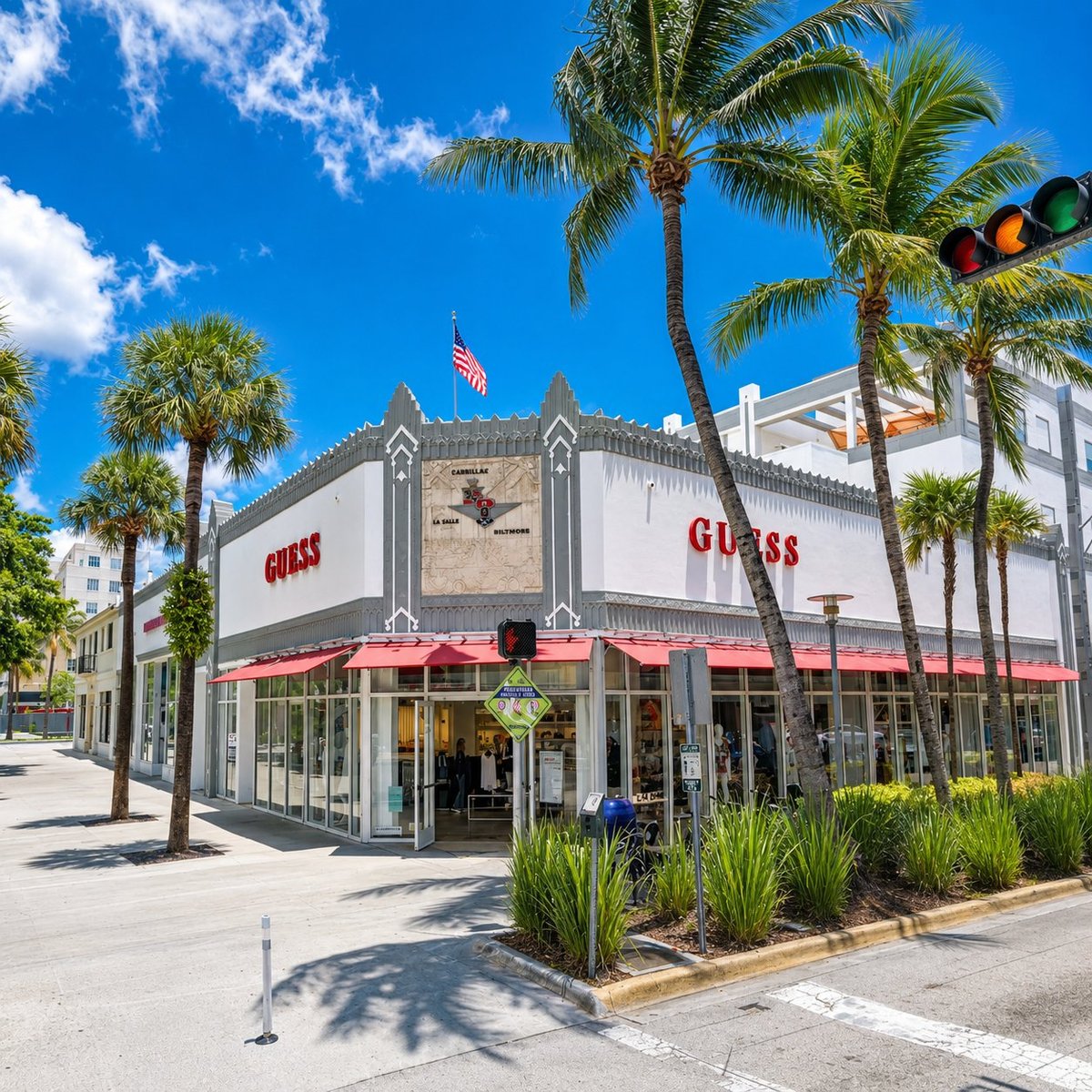
The sponsor owned a landmark retail property on Lincoln Road, the open-air pedestrian mall that anchors Miami Beach retail. A dispute involving a major tenant interrupted rental income at the property, and the existing loan was securitized — a CMBS loan, administered by a servicer under the rigid rules of a securitization rather than by a banker with discretion. As coverage slipped, the servicer's posture hardened. The path forward became clear: the loan needed to be paid off in full.
The problem with securitized debt under stress
CMBS financing has real advantages when a property is performing: non-recourse structure, competitive proceeds, fixed pricing. Its weakness shows up the day something goes wrong. There is no relationship banker on the other side of the table. The loan sits in a trust, administered under a pooling and servicing agreement that dictates what the servicer can and cannot do. Cash management provisions can trigger. Reserves can trap. And a request to "work with the lender" runs into the reality that the servicer's obligation is to the bondholders, not to the borrower's turnaround plan.
A servicer does not underwrite your story. A balance-sheet lender can.
Finding a lender who could underwrite through it
The assignment was harder than a standard refinance. The sponsor needed roughly $17.5MM to retire the existing debt, plus additional proceeds — the loan ultimately included a $4.5MM cash-out component — at a moment when the property's trailing income statement could not tell the real story. Most banks underwrite the trailing twelve months as gospel; presented with interrupted income, they simply decline.
The answer was in the real estate and the structure. The property appraised at $40MM, which put the full $22MM request at roughly 55% loan-to-value — conservative leverage on irreplaceable frontage along one of the most heavily trafficked retail corridors in the country. That leverage discipline opened a lender universe that a 70% request never would have reached. We placed the loan with a credit union, a category of balance-sheet lender that underwrites with discretion, holds its loans, and is not bound by securitization mechanics. Credit unions remain one of the most underused capital sources in commercial real estate, and this deal shows why: relationship underwriting, competitive fixed-rate terms, and — critically — no prepayment penalty.
How the financing was structured
The loan closed at $22,000,000 on a ten-year term with a fixed rate, an initial interest-only period, and a thirty-year amortization schedule thereafter, subject to a 1.25x debt-service coverage covenant.
The device that bridged the lender's income concern was a six-month principal-and-interest reserve, posted at closing and released after six months of satisfactory payment history and verification of rents. That structure gave the lender certainty through the property's re-stabilization without permanently trapping the sponsor's cash — a targeted answer to a specific underwriting objection, which is usually what separates an approval from a decline on a story deal.
Just as important is what the loan did not have: a prepayment penalty. Coming out of a securitized structure where exit costs are punishing by design, the sponsor's new loan preserved full optionality — to sell, to refinance, or simply to hold — the moment circumstances improved. On a property working through a dispute, that flexibility is worth real money.
Why the lender said yes
Strip the deal to its essentials and the credit case was strong: 55% leverage against a current appraisal, hard-corner retail on a pedestrian mall with decades of demonstrated demand, a sponsor standing behind the loan with full guarantees, and structural protections — the reserve, the coverage covenant, verified rents — that addressed the one genuine weakness head-on. The work was packaging those essentials so a credit committee could see past the trailing numbers to the asset underneath them. That is what "crafting the story" means in practice: not spin, but a credible bridge from where the income statement is to where the real estate will carry it.
If your securitized loan is under stress
- Read the loan documents early. Know your cash-management triggers, coverage tests, and cure rights before the servicer invokes them.
- Open the payoff conversation before you are forced to. Time is the most valuable asset in a workout, and it evaporates fast.
- Normalize the income story. Lenders can underwrite an interruption they can understand, document, and see the other side of.
- Lead with leverage discipline. A conservative loan-to-value opens doors that trailing cash flow alone cannot.
- Look past the obvious lender list. Credit unions and relationship banks hold their loans and can exercise judgment a servicer is not permitted to have.
- Protect your exit. Negotiate prepayment flexibility on the new loan so the next refinance is a choice, not another escape.
This transaction closed several years ago, but the playbook has never been more relevant. A historic volume of securitized and bank commercial mortgages reaches maturity through 2026 and 2027, and many of those loans are drifting toward exactly this posture: coverage under pressure, a servicer with limited discretion, and a borrower who needs a payoff path rather than a modification. The lenders who can underwrite through a story — and the structures that get them comfortable — are the difference between an orderly refinance and a forced outcome.
We finance retail, multifamily, and hospitality across Miami and South Florida from our Beverly Hills desk. The full picture of that practice is on our South Florida financing page.
Terms described are specific to this transaction, reflect market conditions at the time of closing, and are not an offer or a commitment to lend. Lender and party identities are withheld for confidentiality.