Mixed-use is where lender boxes break. A building that is 60% apartments and 40% ground-floor retail is a multifamily deal to one lender, a commercial deal to another, and a pass to a third that can't decide. The financing outcome depends heavily on how the property is presented — and to whom.
We finance the full range of mixed-use property: ground-floor retail with residential above (the classic Los Angeles boulevard format), office-retail combinations, live-work, and properties in transition between uses. The first strategic decision on every mixed-use assignment is classification — which lender universe should read this deal, and what does the income mix need to look like for that universe to price it well.
How lenders read the mix
- Majority-residential mixed-use often qualifies for multifamily treatment — including agency programs when commercial income stays under their thresholds — which means better leverage and pricing than commercial classification. Getting the property underwritten on the right side of that line is real money.
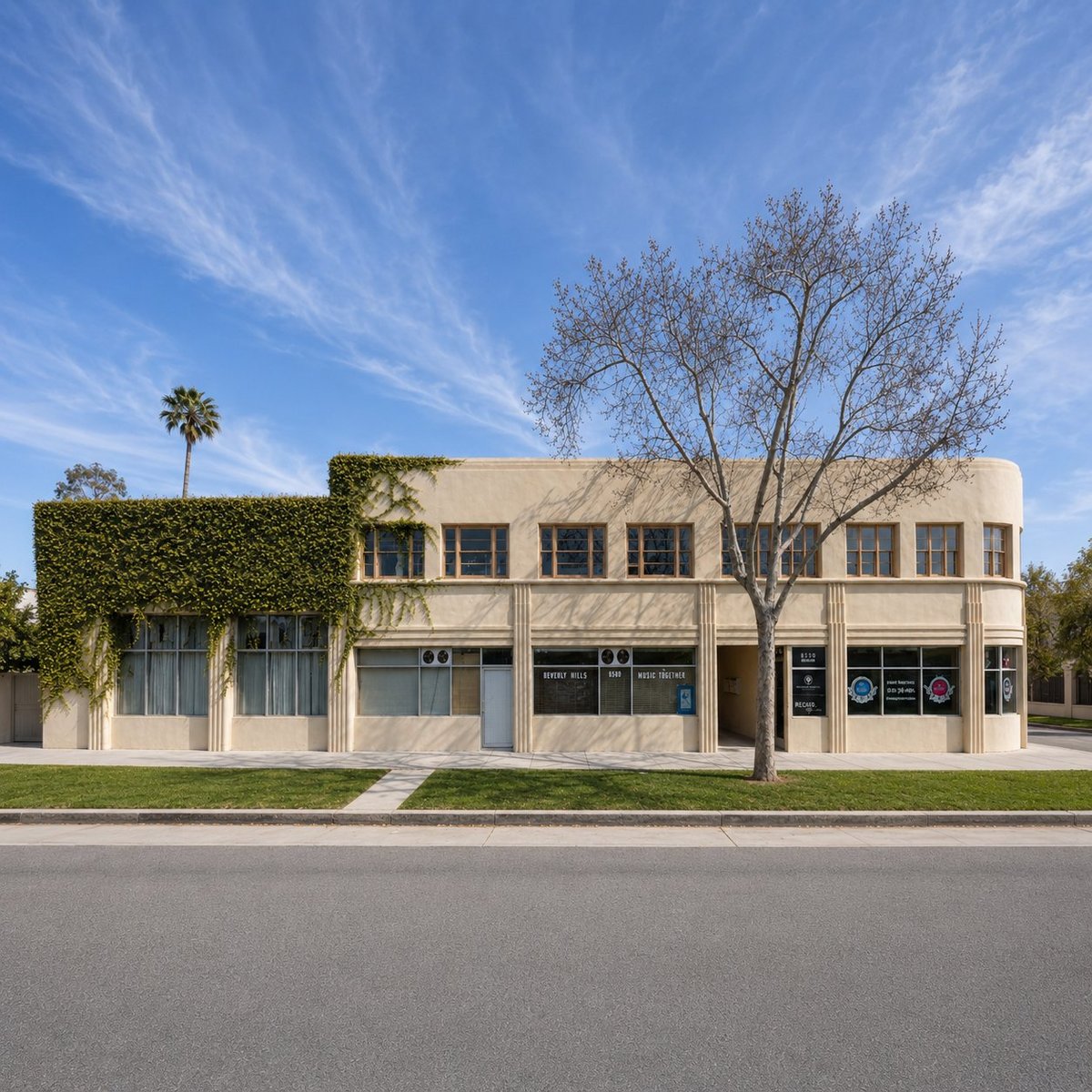
- Majority-commercial mixed-use underwrites like its dominant use, with the secondary income haircut or excluded. Banks and credit unions carry most of this market; our 8560 Wilshire closing — retail and office in one Beverly Hills asset — ran as a commercial bridge at 8.00%.
- Transitional mix — converting use, re-tenanting a floor, adding residential — prices through bridge capital sized to the stabilized blend.
A 60/40 building is a multifamily deal to one lender and a commercial deal to another. Classification is the first negotiation.
What strengthens a mixed-use file
Separated financials — lenders want the residential and commercial income streams cleanly broken out, each with its own vacancy and expense story, not blended into one line. Durable commercial tenancy on the ground floor, since a dark storefront drags the residential value above it. And a submarket where the mix is the point: boulevard-format mixed-use in Los Angeles neighborhoods underwrites as the fabric of the corridor, which is exactly how we present it. Related reading: what lenders want in the package and the coverage math that governs proceeds.
For where lenders draw the line and what it is worth on one set of numbers, read mixed-use property loans in California: multifamily or commercial?
See closings across asset types on the transactions page →
Rates and terms referenced are drawn from transactions arranged by Piccard Financial, reflect market conditions at the time of closing, and change with the market. Not an offer or commitment to lend.