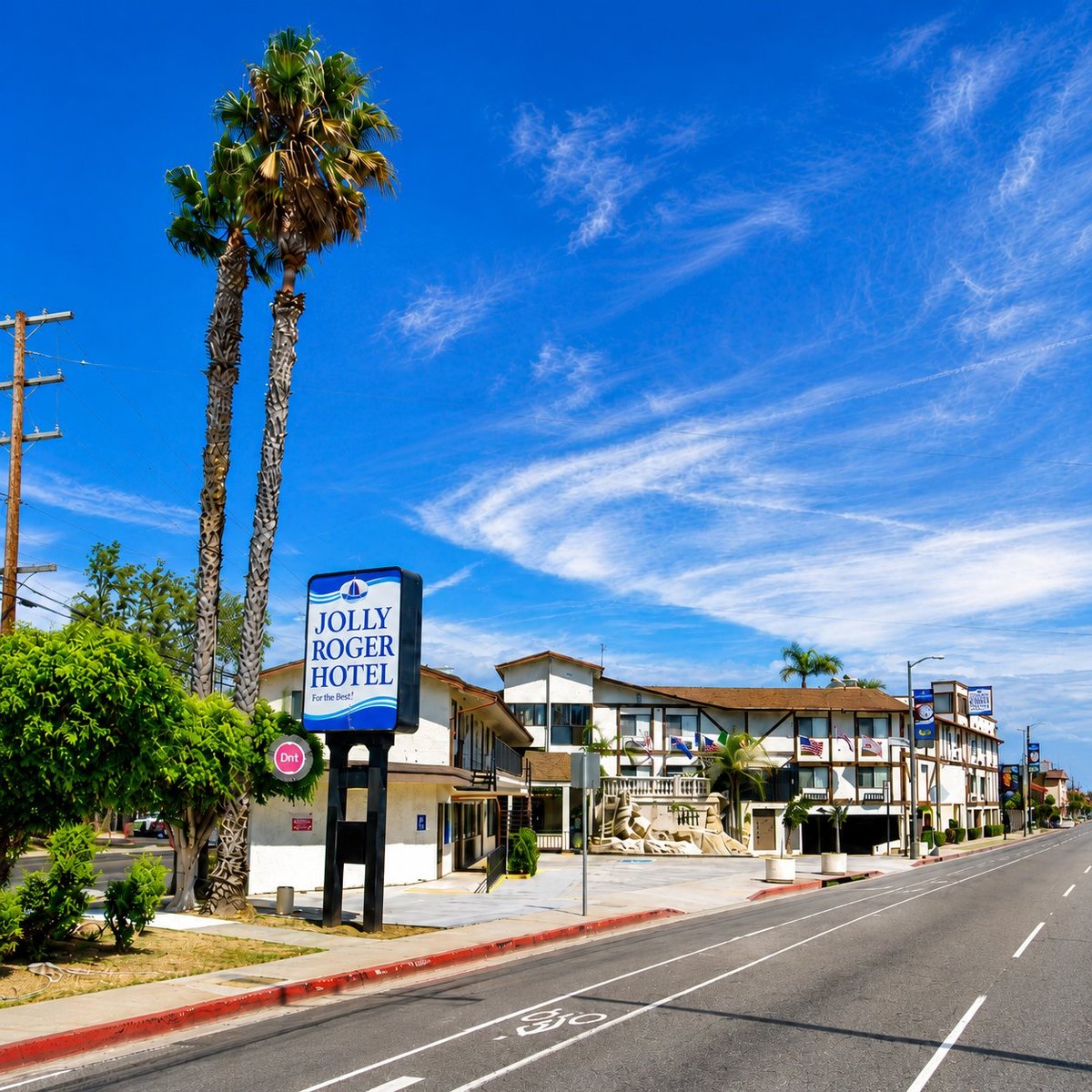
Hospitality is the asset class where lender selection matters most, because the spread between lenders is widest. A flagged select-service hotel, an independent boutique property, and a converted hospitality asset in a beach submarket are three different credit stories — and the lenders who like one frequently won't touch the others.
We arrange hospitality financing across that spectrum: flagged and independent hotels, boutique and lifestyle properties, hospitality-zoned assets in transition, and renovation or PIP-driven capital needs. Hospitality underwrites on operations, not just real estate — RevPAR, ADR, occupancy trend, and management quality carry the file — which is why packaging matters even more here than in other asset classes.
Where the capital comes from
- Debt funds and private credit. The center of today's hospitality market, especially for independents and transitional assets. Our $7.5MM Venice closing ran 70% loan-to-value at 8.50%, funded by a debt fund in two weeks — with the appraisal engineered out of the timeline.
- Banks. Selective, relationship-driven, and strongest on flagged properties with seasoned operators and multi-year operating history.
- SBA programs. For owner-operators, SBA 504 and 7(a) unlock leverage and terms conventional hospitality lending can't match — a materially different path worth modeling for qualifying sponsors.
- CMBS. Non-recourse execution for stabilized, flagged assets with strong trailing performance, at the cost of post-closing rigidity.
Hospitality underwrites on operations, not just real estate. The lender is buying your RevPAR story — package it like one.
What lenders underwrite on a hotel
Three years of operating statements with the trend line moving the right direction. RevPAR and occupancy against the competitive set, not in isolation. Management — third-party operators with a track record de-risk the file. The PIP and capex picture stated honestly, because lenders find deferred brand requirements anyway. And leverage sized to a coverage cushion, since hospitality income is the most volatile in commercial real estate and lenders reserve for that volatility whether you acknowledge it or not. When the timeline is the constraint — a maturity, a purchase deadline — the Venice case study shows what a genuinely fast hospitality close looks like. For where the market stands now, read our October 2026 market read on hotel bridge loans, rates and the exit test.
Selected hospitality work
- $7.5MM — 2904 Washington Blvd, Venice. First-lien hospitality bridge, 70% LTV, 8.50%, closed in two weeks with no appraisal required. Read the case study →
See hospitality closings on the transactions page →
Rates and terms referenced are drawn from transactions arranged by Piccard Financial, reflect market conditions at the time of closing, and change with the market. Not an offer or commitment to lend.