A CMBS loan is a different animal from a bank loan, and the difference only shows itself when something changes: a tenant leaves, a maturity approaches, or you want cash out of the building. In South Florida, where conduit lending financed an outsized share of the retail, hospitality, and office stock, knowing how these loans behave is not optional knowledge. It is the difference between a managed exit and a servicer negotiation you did not choose.
How a conduit loan actually works
Your CMBS loan was originated to be sold. Within months of closing it was pooled with dozens of others, securitized, and handed to a master servicer whose job is administering documents, not maintaining a relationship. There is no banker to call. Requests that a portfolio lender handles in a phone call, like a lease approval, a reserve release, or a minor modification, move through a servicing process governed by the pooling agreement. If the loan underperforms, it transfers to a special servicer whose duty runs to the bondholders. None of this is a defect. It is the trade you made for non-recourse structure and maximum proceeds at closing. But it means the exit deserves planning that bank borrowers never think about.
The exit math: defeasance and yield maintenance
Most conduit loans cannot simply be prepaid. Exiting early means defeasance: replacing your building as collateral with a portfolio of government securities that replicates the remaining loan payments. When market rates sit below your note rate, that portfolio costs more than your balance, sometimes dramatically more. When rates sit above your note rate, defeasance can approach par and occasionally works in your favor. The calculation moves with the treasury market weekly, which means the exit that looked impossible last quarter may be workable this one. We run this math for owners before anything else, because it decides whether the conversation is a refinance today or a strategy for the maturity window.
The defeasance number moves with the treasury market. The exit that looked impossible last quarter may be workable this one.
What replaces a CMBS loan in South Florida
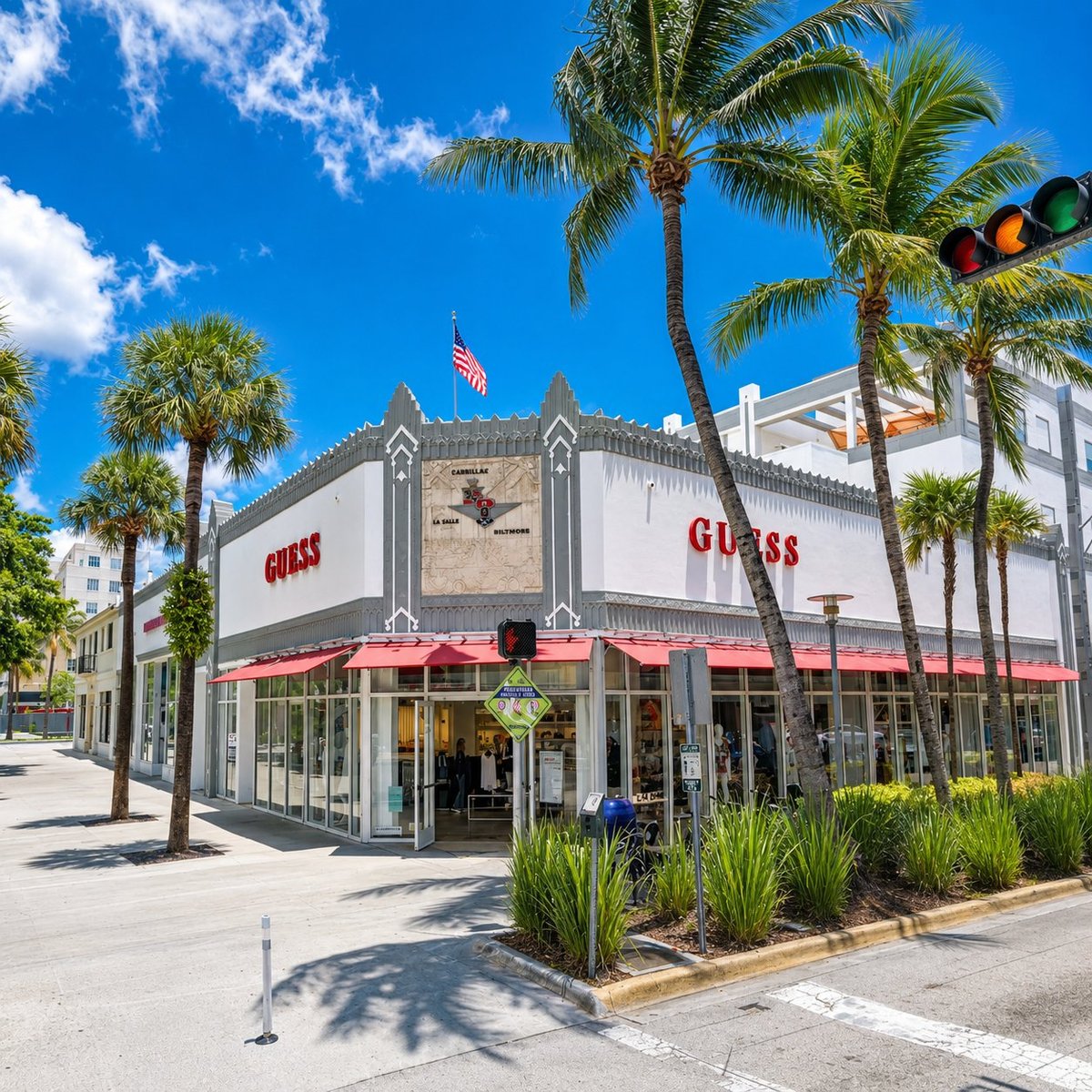
- Credit unions and banks. The most underrated takeout in this market. Our $22MM Lincoln Road refinance replaced a securitized loan under servicer pressure with a credit union execution that included $4.5MM of cash out and a ten-year fixed structure. No conduit would have written that deal at that moment. A relationship lender did.
- New CMBS. If the asset is stabilized and the goal is again maximum non-recourse proceeds, conduit-to-conduit refinancing works, including small-balance programs under $10MM. You are re-upping the same trade with fresh terms.
- Debt funds and bridge capital. When the property needs repositioning before permanent debt makes sense, or the defeasance window requires waiting, bridge capital carries the asset to the right moment.
- Life companies. For high-quality, conservatively leveraged Florida assets, the tightest pricing available, with prepayment structures far more humane than defeasance.
South Florida specifics that shape the takeout
Replacement lenders underwrite this market on its own terms. Insurance costs flow straight through the coverage calculation, and lenders use real quoted premiums, not last year's. Hospitality and retail assets get underwritten on trailing performance through the market's seasonality. Condo and mixed-ownership structures narrow the lender list in ways that change year to year. And foreign ownership, common in Miami capital stacks, is routine business for some lenders and a nonstarter for others. This is exactly why the replacement process should run several lender categories in parallel, a point we make at length on our South Florida financing page.
The timeline that protects you
CMBS maturities are unforgiving, because there is no banker with discretion to extend a few months while you finish a refinance. Start 12 months out: order the defeasance calculation, test the coverage math at current rates using our DSCR guide, and open the replacement process while every option is still available. The owners who get hurt by conduit debt are almost never hurt by the loan. They are hurt by the calendar.
If you have a CMBS loan on a South Florida property and want the exit math run properly, send us the deal or call 310.363.5136. We will tell you what defeasance costs today, what the replacement market looks like for your asset, and when to move.
If your loan is not CMBS, our guide to refinancing a commercial loan in South Florida covers insurance, Florida mortgage taxes and the condo laws.
Terms referenced are from transactions arranged by Piccard Financial and reflect conditions at the time. Defeasance economics change with the market. Not an offer or commitment to lend.