Land is the asset class where financing advice is most often dishonest, because the honest numbers are unglamorous: lower leverage than you want, pricing higher than you hoped, and a lender universe that judges your site on questions most owners have never been asked. Here is how land development financing actually works in Los Angeles, stage by stage, with real numbers from our own closings.
The stages, and what each can borrow
Unentitled land is the hardest borrow in commercial real estate. No income, no approvals, value resting entirely on what the dirt might become. Lenders here are private capital pricing genuine risk: expect 40% to 50% of value at rates that reach into the double digits. A Northern California land loan we arranged carried an 11.00% coupon, and that was the fair market price for unentitled dirt with a story. Anyone quoting bank terms on raw land is describing a loan that will not close.
Land in entitlement borrows against progress. As approvals advance, the site de-risks in visible steps, and each step widens the lender list and improves terms. Pre-development capital carries the site through this window, funding the carry, the consultants, and the process. Our $1.33MM pre-development loan at 4537 to 4545 Santa Monica Blvd, a site feeding housing production, closed at 8.00% with a mission-oriented lender, proof that the right lender match beats the market rate for the category.
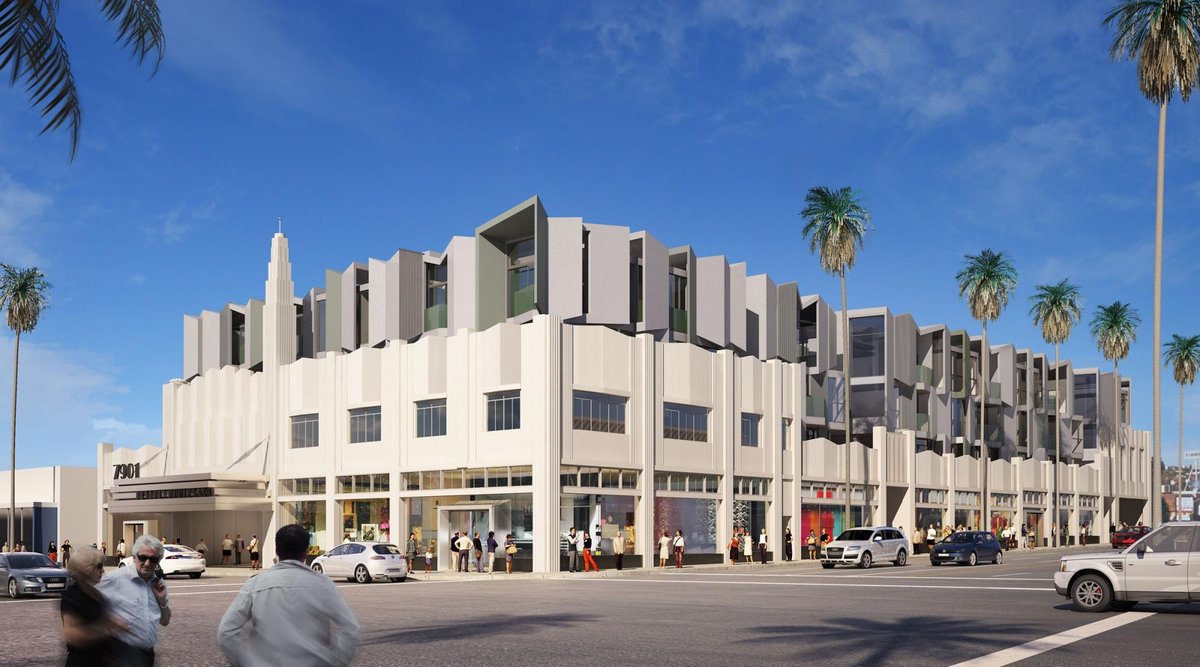
Entitled land is a different asset. With approvals in hand, debt funds and select banks will lend 50% to 60% of the as-entitled value, and the conversation shifts from whether the site can borrow to how the land loan positions the construction takeout. Our largest recent land execution, $11.1MM at 7901 Beverly Blvd, was a fund loan on exactly this profile.
Entitlements are the single biggest lever in land finance. Approvals can double what a site borrows and cut what the money costs.
What land lenders actually underwrite
- Basis. Your all-in cost against market value matters more than any appraisal. Lenders want their loan protected by your equity, and a thin basis is the fastest no in land lending.
- The path. By-right projects and sites in LA density programs like ED1 and TOC borrow better than sites facing discretionary approvals, because the lender can underwrite a timeline instead of a hope.
- The exit. A land loan is judged by what retires it: a construction loan, a sale to a builder, or an entitlement flip. The strongest land financings are arranged with the construction takeout mapped from day one.
- The sponsor. Land lenders back people who have carried a site through approvals before. First-time developers borrow less at higher cost, and partnering with experience changes the terms.
The Los Angeles land picture right now
LA is one of the few markets where land finance got easier in recent years, because the entitlement pathways improved. ED1 turned qualifying affordable projects into by-right approvals with timelines lenders can underwrite, and TOC density bonuses created predictable unit counts near transit. The result is a genuinely financeable pre-development pipeline: sites that would have been speculative dirt a decade ago now carry underwritable paths to vertical construction. Our $30.36MM Echo Park construction closing sits at the far end of exactly that pipeline, and the full leverage and pricing menu for every stage is on our land financing page.
Structuring around the leverage gap
Land leverage disappoints almost everyone the first time they hear it, so the structuring question is how to bridge the equity gap honestly. Seller financing behind a senior land loan is the most common answer on acquisitions, and we negotiate it alongside the debt. Preferred equity works on larger sites with institutional sponsors. And sometimes the answer is patience: carrying a site with less debt through one more entitlement milestone, then refinancing at the better tier, beats overpaying for leverage today. If a maturity on an existing land loan is forcing the timeline, our maturity playbook applies to dirt as much as to buildings.
If you own or are acquiring a development site anywhere in Los Angeles, send us the site, your basis, and the entitlement status, or call 310.363.5136. We will give you honest leverage, honest pricing, and the lender list that actually closes land, within two business days.
For sites elsewhere in the state, including San Francisco and the South Bay, see our guide to land development loans in California.
Rates and terms referenced are from transactions arranged by Piccard Financial and reflect market conditions at the time of closing. Land lending terms vary widely by site and sponsor. Not an offer or commitment to lend.